
Intro
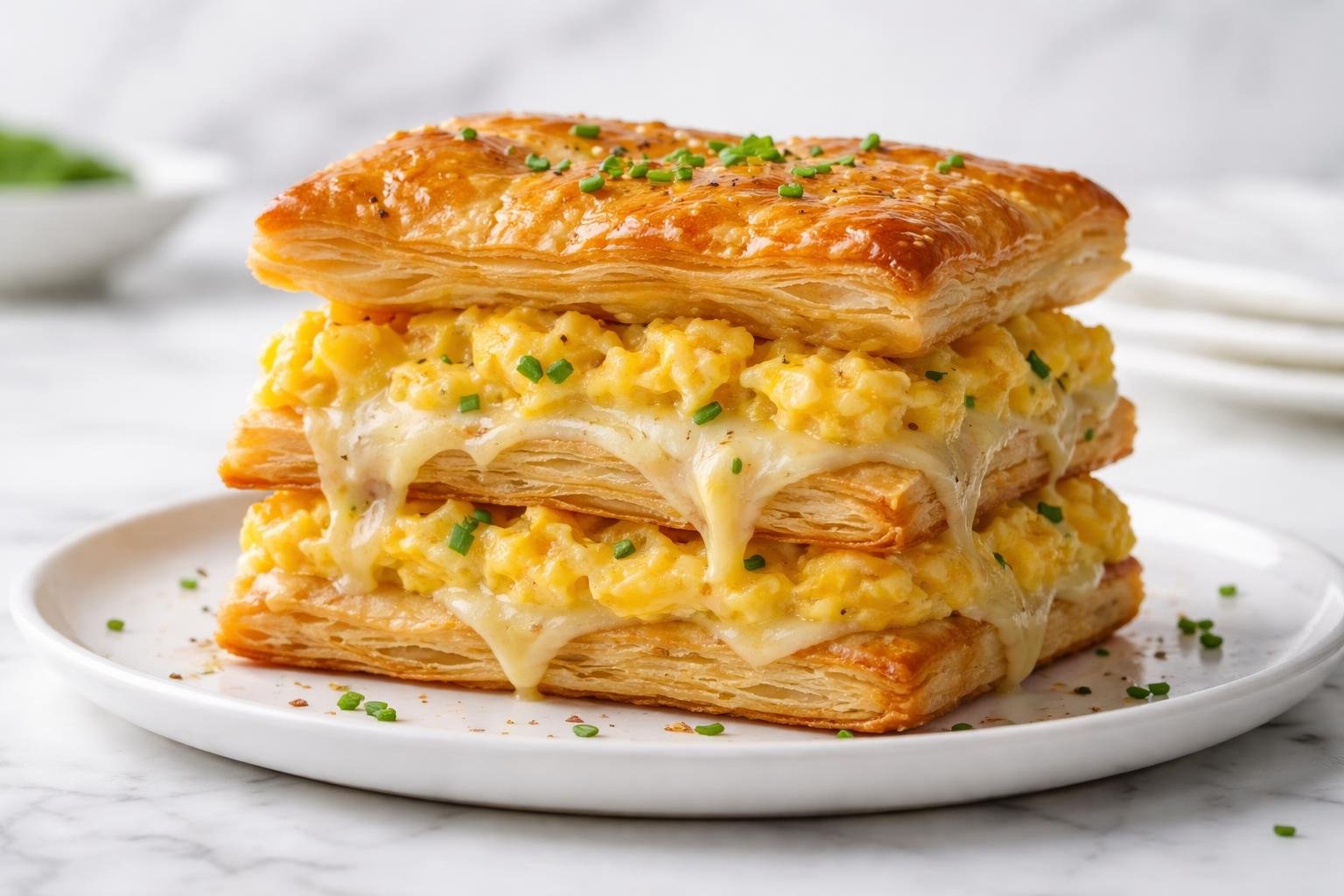
There are some recipes that feel like they belong in a fancy café window—the kind you admire first with your eyes before you even take a bite. The Baked Eggs Napoleon Recipe is exactly that kind of dish.
It looks elegant, layered, and impressive, yet once you actually make it, you realize it’s built from the simplest ingredients in your kitchen: eggs, pastry, cream, cheese, and a little patience.
I still remember the first time I made this recipe. It was one of those slow weekend mornings where I wanted something comforting but still a little special. Not just scrambled eggs on toast—but something that felt intentional.
I had puff pastry in the freezer, eggs in the fridge, and a bit of cream cheese leftover from another bake. I didn’t follow anything strict that day—I just started layering and trusting the process.
When it came out of the oven, golden and puffed on the edges with creamy layers in the center, I remember thinking: this is what brunch dreams taste like.
This Baked Eggs Napoleon Recipe has that rare balance. It feels rich and indulgent, yet still familiar and comforting. It’s perfect for brunch tables, holiday mornings, cozy weekends, or even when you just want to cook something that makes you feel proud.
And the best part? It looks complicated, but it’s actually very approachable once you understand the layering.
What is Baked Eggs Napoleon Recipe?
The Baked Eggs Napoleon Recipe is a savory layered dish inspired by the classic French “Mille-feuille” or Napoleon pastry concept, which traditionally uses layers of puff pastry and cream. In this savory version, we replace the sweet filling with soft baked eggs, creamy cheese layers, and buttery pastry.
Think of it as a hybrid between a breakfast casserole, a puff pastry stack, and a baked egg gratin—all structured into beautiful layers that bake together into something soft, creamy, and slightly crisp at the edges.
Each layer serves a purpose:
- Puff pastry adds structure, flakiness, and buttery crunch
- Eggs provide softness, richness, and protein
- Cream or cheese adds moisture and smoothness
- Seasoning ties everything together into a balanced bite
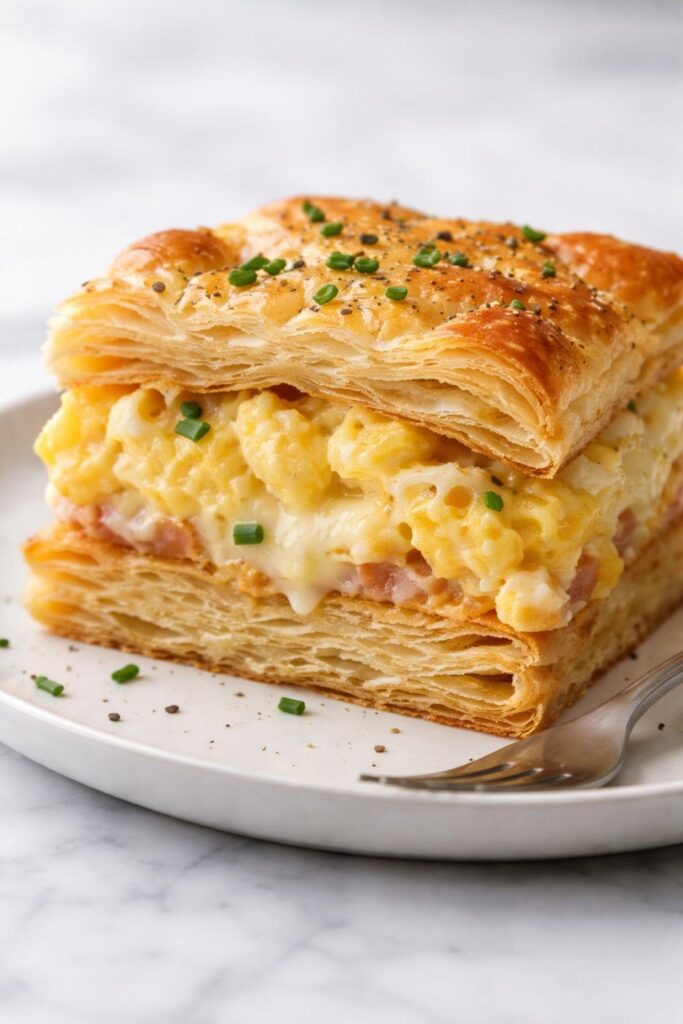
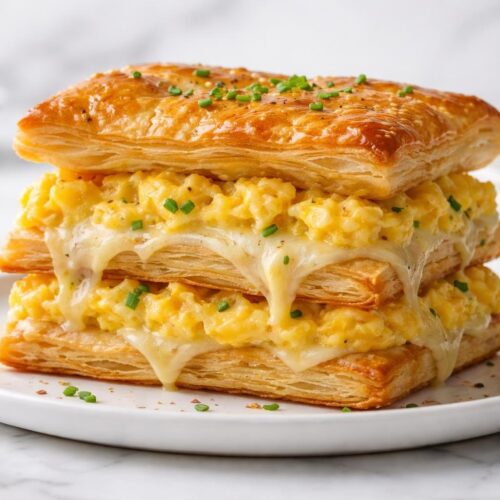
When baked, the layers slightly merge while still holding structure, giving you that signature “napoleon stack” look when sliced.
Why You’ll Love This Recipe
This dish is not just about flavor—it’s about experience.
You’ll love it because:
- It looks impressive but is actually easy to assemble
- It’s perfect for brunch gatherings or family mornings
- It uses simple pantry ingredients
- It delivers creamy, flaky, savory comfort in every bite
- It feels like a café-style dish made at home
It’s the kind of recipe that makes people ask, “Did you really make this yourself?”
Equipment List
To make this recipe smoothly, gather everything before starting:
- Baking tray
- Parchment paper
- Oven-safe baking dish
- Mixing bowls (2–3)
- Whisk
- Spatula
- Sharp knife or pastry cutter
- Saucepan (for eggs)
- Measuring cups and spoons
- Cooling rack
Having everything ready keeps the layering process calm and enjoyable instead of rushed.
Recipe Card Info
- Prep Time: 20 minutes
- Cook Time: 25 minutes
- Rest Time: 10 minutes
- Total Time: 55 minutes
- Serves: 4
- Cuisine: European-inspired
- Course: Breakfast / Brunch
- Calories: 410 kcal per serving
Ingredients
For the Puff Pastry Layers
- 1 sheet puff pastry (thawed)
- 1 egg (for egg wash)
For the Egg Filling
- 6 large eggs
- 1/3 cup milk or cream
- 1/2 teaspoon salt
- 1/2 teaspoon black pepper
- 1/2 teaspoon garlic powder
- 1 tablespoon butter
For the Creamy Layer
- 1/2 cup cream cheese (softened)
- 1/2 cup shredded mozzarella or cheddar
- 2–3 tablespoons warm milk or cream (to loosen texture)
Optional Add-ins
- 1 cup spinach (lightly sautéed)
- 1/2 cup mushrooms (cooked and chopped)
- 2 tablespoons chopped chives or parsley
- A pinch of chili flakes for heat
Each ingredient plays a role in building layers of texture and flavor, not just filling space.
Step-by-Step Instructions
Step 1: Prepare and Pre-Bake Puff Pastry
Preheat oven to 190°C (375°F).
Roll out puff pastry slightly and cut into equal rectangles or squares depending on how you want your layers.
Place on a parchment-lined baking tray. Brush lightly with egg wash.
Bake for 10–12 minutes until puffed and golden. This step is important because it keeps the pastry crisp even after layering.
Set aside to cool slightly.
Step 2: Make Soft Scrambled Eggs
In a bowl, whisk eggs, milk or cream, salt, pepper, and garlic powder.
Heat butter in a pan on low-medium heat. Pour in egg mixture and stir slowly.
Cook until eggs are soft, creamy, and slightly underdone. They should look custardy, not dry.
Remove from heat early because they will continue cooking in the oven.
Step 3: Prepare Cream Layer
Mix cream cheese with a few tablespoons of warm milk or cream until smooth and spreadable.
Add shredded cheese and mix lightly. This creates a creamy binding layer that holds everything together.
Step 4: Begin Layering
Now the most important part of this Baked Eggs Napoleon Recipe—assembly.
In a baking dish:
- Place a puff pastry layer at the bottom
- Spread creamy cheese mixture evenly
- Add a layer of soft scrambled eggs
Repeat this process depending on how many pastry sheets you prepared.
Press gently so layers settle but do not flatten.
Step 5: Final Cheese Topping
Finish with a generous layer of shredded cheese on top.
This will melt and create a golden, slightly crispy crust during baking.
Step 6: Bake Again
Bake at 190°C (375°F) for 12–15 minutes until the top is golden, bubbling slightly, and edges are crisp.
Step 7: Rest Before Serving
Let the dish rest for 10 minutes before slicing.
This helps layers set properly so you get clean, beautiful slices instead of a messy stack.
Flavor Profile and Texture
This dish is all about contrast.
You get:
- Crisp, buttery pastry edges
- Soft, creamy egg layers
- Rich, melty cheese pockets
- A warm, savory aroma that fills the kitchen
Each bite feels structured yet soft, rich yet balanced.
The Secret Behind Perfect Layers
The success of this dish depends on moisture control and layering order.
- Pre-baking pastry prevents sogginess
- Slightly undercooked eggs keep texture soft
- Cream cheese stabilizes layers
- Resting allows structure to form
Think of it like building a soft edible tower.
Expert Tips for Best Results
- Always pre-bake pastry for crispness
- Don’t overcook eggs before layering
- Use full-fat dairy for best flavor
- Let each layer settle gently
- Slice with a sharp knife for clean presentation
Variations You Can Try
1. Veggie Brunch Version
Add spinach, mushrooms, and roasted peppers between layers.
2. Cheesy Deluxe Version
Use a blend of mozzarella, cheddar, parmesan, and cream cheese.
3. Spicy Breakfast Napoleon
Add chili flakes, jalapeños, or hot sauce.
4. Protein-Rich Version
Add shredded chicken, turkey, or smoked salmon.
5. Low-Carb Alternative
Skip pastry and layer only baked eggs and cheese.
Serving Ideas
This dish is perfect for:
- Weekend brunch tables
- Holiday breakfasts
- Elegant family gatherings
- Breakfast-in-bed moments
Pair it with:
- Fresh green salad
- Avocado slices
- Citrus juice or coffee
Storage and Reheating
Store leftovers in an airtight container for up to 2 days in the fridge.
Reheat in oven at 180°C for best texture.
Avoid microwave if possible as it softens pastry.
Common Mistakes to Avoid
- Skipping pre-baking pastry
- Overcooking eggs before layering
- Using too much liquid cream
- Not letting it rest before slicing
- Pressing layers too hard
Nutritional Insight
This is a rich and filling dish containing protein from eggs, fats from cheese, and carbohydrates from pastry.
To lighten it:
- Use reduced-fat cheese
- Add more vegetables
- Reduce pastry layers
Make It Your Own
The beauty of this recipe is flexibility. You can adjust fillings, textures, and seasoning depending on your mood.
It’s not just a recipe—it’s a creative structure you can reinvent every time.
Why This Recipe Works So Well
This Baked Eggs Napoleon Recipe works because it combines comfort and technique.
Each layer contributes something essential:
- Structure from pastry
- Softness from eggs
- Creaminess from cheese
- Depth from seasoning
Together, they create a dish that feels both rustic and refined.
FAQs
Can I make it ahead of time?
Yes, prepare layers separately and assemble before baking.
Can I use store-bought pastry?
Yes, puff pastry works perfectly.
Can I replace cream cheese?
Yes, use béchamel sauce or heavy cream.
Can I freeze it?
Best enjoyed fresh, but you can freeze baked portions and reheat in the oven.
Can I make it without pastry?
Yes, it becomes a baked egg casserole-style dish.
Final Thoughts
This Baked Eggs Napoleon Recipe is more than just breakfast—it’s an experience of layering, baking, and creating something beautiful from simple ingredients.
It’s the kind of dish that feels special without trying too hard. Elegant, comforting, and deeply satisfying—just like the best home cooking should be.
More Healthy Breakfast Recipes:
- Gordon Ramsay’s Eggs Benedict Recipe
- Pioneer Woman Strawberry Butter Recipe
- Pioneer Woman Bisquick Sausage Balls Recipe
Baked Eggs Napoleon Recipe

Equipment
- Baking tray
- Parchment paper
- Oven-safe baking dish
- Mixing bowls (2–3)
- Whisk
- Spatula
- Sharp knife or pastry cutter
- Saucepan (for eggs)
- Measuring cups and spoons.
- Cooling rack
Ingredients
For the Puff Pastry Layers
- 1 sheet puff pastry thawed
- 1 egg for egg wash
For the Egg Filling
- 6 large eggs
- 1/3 cup milk or cream
- 1/2 teaspoon salt
- 1/2 teaspoon black pepper
- 1/2 teaspoon garlic powder
- 1 tablespoon butter
For the Creamy Layer
- 1/2 cup cream cheese softened
- 1/2 cup shredded mozzarella or cheddar
- 2 –3 tablespoons warm milk or cream to loosen texture
Optional Add-ins
- 1 cup spinach lightly sautéed
- 1/2 cup mushrooms cooked and chopped
- 2 tablespoons chopped chives or parsley
- A pinch of chili flakes for heat
Instructions
Step 1: Prepare and Pre-Bake Puff Pastry
- Preheat oven to 190°C (375°F).
- Roll out puff pastry slightly and cut into equal rectangles or squares depending on how you want your layers.
- Place on a parchment-lined baking tray. Brush lightly with egg wash.
- Bake for 10–12 minutes until puffed and golden. This step is important because it keeps the pastry crisp even after layering.
- Set aside to cool slightly.
Step 2: Make Soft Scrambled Eggs
- In a bowl, whisk eggs, milk or cream, salt, pepper, and garlic powder.
- Heat butter in a pan on low-medium heat. Pour in egg mixture and stir slowly.
- Cook until eggs are soft, creamy, and slightly underdone. They should look custardy, not dry.
- Remove from heat early because they will continue cooking in the oven.
Step 3: Prepare Cream Layer
- Mix cream cheese with a few tablespoons of warm milk or cream until smooth and spreadable.
- Add shredded cheese and mix lightly. This creates a creamy binding layer that holds everything together.
Step 4: Begin Layering
- Now the most important part of this Baked Eggs Napoleon Recipe—assembly.
- In a baking dish:
- Place a puff pastry layer at the bottom
- Spread creamy cheese mixture evenly
- Add a layer of soft scrambled eggs
- Repeat this process depending on how many pastry sheets you prepared.
- Press gently so layers settle but do not flatten.
Step 5: Final Cheese Topping
- Finish with a generous layer of shredded cheese on top.
- This will melt and create a golden, slightly crispy crust during baking.
Step 6: Bake Again
- Bake at 190°C (375°F) for 12–15 minutes until the top is golden, bubbling slightly, and edges are crisp.
Step 7: Rest Before Serving
- Let the dish rest for 10 minutes before slicing.
- This helps layers set properly so you get clean, beautiful slices instead of a messy stack.
Notes
- Always pre-bake pastry for crispness
- Don’t overcook eggs before layering
- Use full-fat dairy for best flavor
- Let each layer settle gently
- Slice with a sharp knife for clean presentation
Hi, I’m Olivia Brooks! Cooking is my passion, and I love turning everyday ingredients into meals that bring joy to the table. On CulinaryPearl, I share simple recipes, helpful kitchen tips, and inspiration for food lovers everywhere