

Intro
Pit Boss Pork Butt Recipe is one of those meals that feels like a little victory every time you make it. There’s something deeply satisfying about taking a big, humble cut of pork, giving it time, smoke, and love, and turning it into fall-apart, juicy perfection. This is the kind of recipe that makes your backyard smell amazing, pulls neighbors over “just to say hi,” and leaves you with leftovers you actually get excited about.
I still remember the first time I cooked a pork butt on my Pit Boss. I was nervous. It’s a big piece of meat, and big meat feels intimidating. But once I realized how forgiving pork butt really is, it became one of my favorite things to smoke. This recipe is cozy, bold, smoky, and full of flavor without being fussy. If you’ve got patience and a pellet grill, you’re already halfway there.
What is Pit Boss Pork Butt?
Pit Boss pork butt is simply a pork butt (also called Boston butt) slow-cooked on a Pit Boss pellet grill. Despite the name, pork butt doesn’t come from the rear of the pig. It comes from the upper shoulder, and it’s loaded with fat and connective tissue. That’s actually a good thing. All that fat slowly melts during cooking, keeping the meat juicy and tender.
When cooked low and slow on a pellet grill, pork butt absorbs smoky flavor while breaking down into tender strands that practically shred themselves. It’s most commonly turned into pulled pork, but you can also slice it or chop it depending on how you serve it.
The Pit Boss makes this process easier because it holds steady temperatures and feeds wood pellets automatically. You get that real wood-smoked flavor without babysitting a fire all day.
Equipment List
You don’t need anything fancy, but having the right tools makes things smoother.
- Pit Boss pellet grill
- Wood pellets (hickory, apple, or a blend)
- Meat thermometer (instant-read or probe)
- Large cutting board
- Sharp knife
- Aluminum foil or butcher paper
- Disposable gloves (optional but helpful)
- Drip pan (optional, for easier cleanup)
Ingredients (with quantities)
This recipe keeps things simple and lets the pork and smoke do the heavy lifting.
- 8 to 10 lb pork butt (bone-in preferred)
- 2 tbsp yellow mustard (binder, optional)
- 3 tbsp brown sugar
- 2 tbsp smoked paprika
- 2 tbsp kosher salt
- 1 tbsp black pepper
- 1 tbsp garlic powder
- 1 tbsp onion powder
- 1 tsp chili powder (optional, for warmth)
- 1 tsp cayenne pepper (optional, for heat)
Optional for spritzing:
- 1 cup apple juice or apple cider vinegar mixed with water (50/50)
Instructions
Step 1: Prep the Pork Butt
Pat the pork butt dry with paper towels. If there are any loose flaps of fat or meat, trim them off, but don’t go crazy. Fat equals flavor here.
Rub the pork butt lightly with mustard. This doesn’t make it taste like mustard, I promise. It just helps the seasoning stick.
Mix all the dry rub ingredients together in a bowl. Coat the pork butt generously on all sides. Don’t be shy. This is a big cut of meat and it can handle it.
If you have time, wrap the seasoned pork butt and refrigerate it overnight. If not, letting it sit at room temperature for about 45 minutes is totally fine.
Step 2: Fire Up the Pit Boss
Fill your hopper with pellets. I love hickory for that classic BBQ flavor, but apple or a blend works beautifully too.
Preheat your Pit Boss to 225°F. Low and slow is the name of the game for this Pit Boss pork butt recipe.
Step 3: Smoke the Pork Butt
Place the pork butt directly on the grill grates, fat side up. Close the lid and let the magic start.
Smoke at 225°F until the internal temperature reaches about 160°F. This usually takes 5 to 6 hours, depending on the size of your pork butt.
During this stage, you can spritz the meat every hour after the first two hours if you want. This helps keep the surface moist and builds layers of flavor.
Step 4: The Stall (Don’t Panic)
Around 155–165°F, the pork butt will seem like it stops cooking. This is called the stall, and it’s completely normal.
Once it hits this point, wrap the pork butt tightly in aluminum foil or butcher paper. This helps push through the stall and keeps the meat juicy.
Place it back on the Pit Boss and continue cooking.
Step 5: Cook Until Tender
Increase the grill temperature slightly to 250°F if you’d like, but it’s optional.
Cook until the internal temperature reaches 195–203°F. More important than the number is how it feels. A probe should slide in with almost no resistance, like warm butter.
This can take another 3 to 4 hours.
Step 6: Rest and Shred
Remove the pork butt from the grill and let it rest, wrapped, for at least 45 minutes. An hour is even better.
Unwrap carefully, saving any juices. Shred the meat using forks or your hands (gloves help). Drizzle some of those juices back over the meat for extra flavor.

Flavor Profile and Texture
This Pit Boss pork butt recipe delivers deep smoky flavor with a perfect balance of sweet, savory, and just a little heat. The bark on the outside is dark, slightly crispy, and packed with seasoning. Inside, the meat is juicy, tender, and pulls apart effortlessly.
Every bite feels rich but not heavy, smoky but not overpowering. It’s comfort food with serious character.
Best Wood Pellets for Pork Butt
Choosing pellets really does make a difference.
- Hickory: Bold, classic BBQ flavor
- Apple: Mild, slightly sweet
- Cherry: Adds a beautiful color and subtle sweetness
- Blends: Great balance for beginners
I often mix hickory and apple for the best of both worlds.
How to Serve Pit Boss Pork Butt
This is where the fun really starts.
- Classic pulled pork sandwiches with coleslaw
- Tacos with pickled onions and cilantro
- Loaded baked potatoes
- Pulled pork mac and cheese
- BBQ pork nachos
- Simple plate with cornbread and beans
You can sauce it or leave it naked. I usually serve sauce on the side so everyone can choose.
Storage and Leftovers
Leftovers are honestly one of the best parts.
- Refrigerate in an airtight container for up to 4 days
- Freeze for up to 3 months
- Reheat gently with a splash of broth or apple juice
Pulled pork gets even better the next day.
Common Mistakes to Avoid
- Cooking too hot too fast
- Skipping the rest time
- Under-seasoning such a large cut
- Panicking during the stall
- Slicing instead of shredding before it’s ready
Trust the process. Pork butt is forgiving.
Why This Recipe Always Works
This Pit Boss pork butt recipe works because it respects the meat. Low heat, real smoke, simple seasoning, and patience. You don’t need fancy tricks, just time and confidence.
As a female chef who loves feeding people, this is one of those dishes that never fails to bring smiles. It’s bold, comforting, and deeply satisfying to cook.
Final Thoughts
If you’re new to pellet grilling or already obsessed with your Pit Boss, this recipe deserves a spot in your regular rotation. It’s perfect for weekends, parties, or anytime you want food that feels special without being stressful.
Once you nail this Pit Boss pork butt recipe, you’ll realize you’re capable of way more than you thought. And that’s a pretty delicious feeling.
More Recommended Recipes:
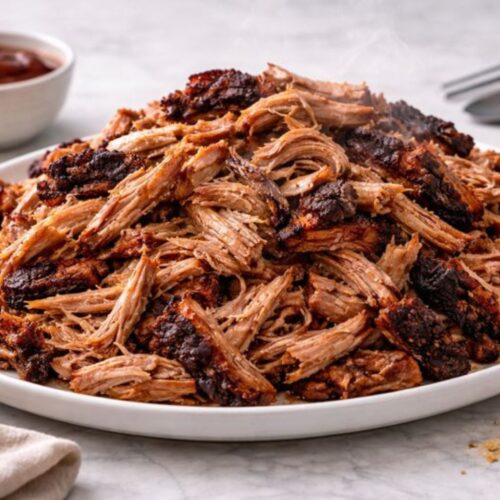
Pit Boss Pork Butt Recipe

Equipment
- Pit Boss pellet grill
- Wood pellets (hickory, apple, or a blend)
- Meat thermometer (instant-read or probe)
- Large cutting board
- Sharp knife
- Aluminum foil or butcher paper
- Disposable gloves (optional but helpful)
- Drip pan (optional, for easier cleanup)
Ingredients
- 8 to 10 lb pork butt bone-in preferred
- 2 tbsp yellow mustard binder, optional
- 3 tbsp brown sugar
- 2 tbsp smoked paprika
- 2 tbsp kosher salt
- 1 tbsp black pepper
- 1 tbsp garlic powder
- 1 tbsp onion powder
- 1 tsp chili powder optional, for warmth
- 1 tsp cayenne pepper optional, for heat
Optional for spritzing:
- 1 cup apple juice or apple cider vinegar mixed with water 50/50
Instructions
Step 1: Prep the Pork Butt
- Pat the pork butt dry with paper towels. If there are any loose flaps of fat or meat, trim them off, but don’t go crazy. Fat equals flavor here.
- Rub the pork butt lightly with mustard. This doesn’t make it taste like mustard, I promise. It just helps the seasoning stick.
- Mix all the dry rub ingredients together in a bowl. Coat the pork butt generously on all sides. Don’t be shy. This is a big cut of meat and it can handle it.
- If you have time, wrap the seasoned pork butt and refrigerate it overnight. If not, letting it sit at room temperature for about 45 minutes is totally fine.
Step 2: Fire Up the Pit Boss
- Fill your hopper with pellets. I love hickory for that classic BBQ flavor, but apple or a blend works beautifully too.
- Preheat your Pit Boss to 225°F. Low and slow is the name of the game for this Pit Boss pork butt recipe.
Step 3: Smoke the Pork Butt
- Place the pork butt directly on the grill grates, fat side up. Close the lid and let the magic start.
- Smoke at 225°F until the internal temperature reaches about 160°F. This usually takes 5 to 6 hours, depending on the size of your pork butt.
- During this stage, you can spritz the meat every hour after the first two hours if you want. This helps keep the surface moist and builds layers of flavor.
Step 4: The Stall (Don’t Panic)
- Around 155–165°F, the pork butt will seem like it stops cooking. This is called the stall, and it’s completely normal.
- Once it hits this point, wrap the pork butt tightly in aluminum foil or butcher paper. This helps push through the stall and keeps the meat juicy.
- Place it back on the Pit Boss and continue cooking.
Step 5: Cook Until Tender
- Increase the grill temperature slightly to 250°F if you’d like, but it’s optional.
- Cook until the internal temperature reaches 195–203°F. More important than the number is how it feels. A probe should slide in with almost no resistance, like warm butter.
- This can take another 3 to 4 hours.
Step 6: Rest and Shred
- Remove the pork butt from the grill and let it rest, wrapped, for at least 45 minutes. An hour is even better.
- Unwrap carefully, saving any juices. Shred the meat using forks or your hands (gloves help). Drizzle some of those juices back over the meat for extra flavor.
Hi, I’m Olivia Brooks! Cooking is my passion, and I love turning everyday ingredients into meals that bring joy to the table. On CulinaryPearl, I share simple recipes, helpful kitchen tips, and inspiration for food lovers everywhere