
Intro
If you’ve ever taken a bite of Korean fried chicken and thought, “Wow, this sauce is everything,” then you’ve experienced the magic of Yangnyeom sauce. I first fell in love with this vibrant, sticky, spicy-sweet coating on a casual Friday night when a friend ordered Korean fried chicken for takeout. That glossy, deep-red sauce clung to every crisp piece, and one bite had me hooked. Ever since, I’ve been obsessed with recreating it at home—because let’s face it, nothing beats homemade.
The best part about this Yangnyeom Sauce Recipe is that it’s incredibly simple yet packs a remarkable flavor. Sweet, spicy, tangy, garlicky—it has everything that makes Korean food so irresistible. And while it’s traditionally used on fried chicken, I’ve started slathering it over roasted vegetables, grilled shrimp, and even tofu. Once you make it, you’ll find yourself drizzling it on everything.
What Is Yangnyeom Sauce?
Yangnyeom (양념) literally means “seasoned” or “marinated” in Korean. In the context of Korean fried chicken, it refers to a thick, sticky sauce that coats the crispy chicken after frying. Think of it as the love letter your chicken deserves.
The flavor profile is unique:
- Sweetness: From corn syrup, honey, or sugar.
- Heat: Korean chili paste (gochujang) provides a deep, savory spice.
- Tanginess: A little vinegar or rice wine balances the sweetness.
- Garlic punch: Because, of course, garlic makes everything better.
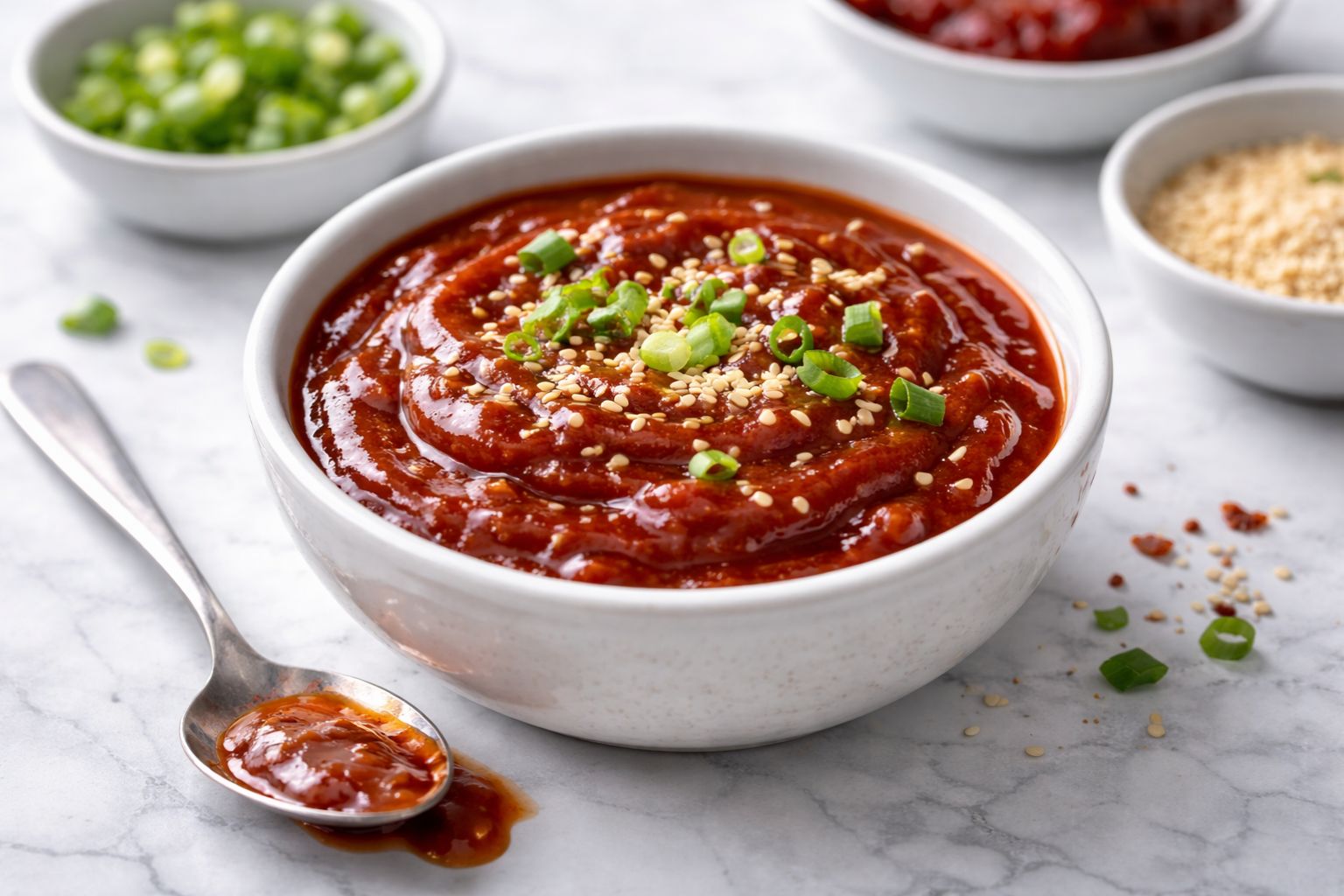
The sauce is glossy, slightly thick, and clings beautifully to every bite. It’s finger-licking good, seriously.
Ingredients You’ll Need
Here’s what you’ll need to make about 1 cup of Yangnyeom sauce. Everything is easy to find at an Asian grocery store—or even your regular supermarket if you’re adventurous.
- 3 tablespoons gochujang (Korean chili paste)
- 2 tablespoons ketchup
- 2 tablespoons soy sauce
- 2 tablespoons honey (or corn syrup for a slightly different texture)
- 1 tablespoon brown sugar
- 2 tablespoons rice vinegar
- 3 cloves garlic, finely minced
- 1 teaspoon ginger, freshly grated
- 1 teaspoon sesame oil
- 1 tablespoon water (optional, for thinning if needed)
- Toasted sesame seeds for garnish
This combination hits all the sweet, savory, spicy, and tangy notes you want. Don’t skip the garlic—it really gives the sauce its kick and depth.
Equipment List
Making Yangnyeom sauce is simple, so you don’t need much:
- Small saucepan
- Wooden spoon or silicone spatula
- Measuring spoons and cups
- Garlic press or microplane (optional, for the ginger)
- Bowl for mixing
That’s it! The magic happens quickly, so keep an eye on it.
Instructions
- Combine the base ingredients
In a small saucepan, add gochujang, ketchup, soy sauce, honey, brown sugar, and rice vinegar. Stir everything together over medium heat until smooth. - Add aromatics
Stir in the minced garlic and grated ginger. The aroma will hit you immediately—trust me, this is the moment you know it’s going to be amazing. - Simmer and thicken
Lower the heat slightly and let the sauce simmer for 3–5 minutes, stirring constantly. It will thicken and become glossy. If it’s too thick, add a teaspoon of water at a time until you reach your desired consistency. - Finish with sesame oil
Turn off the heat and stir in the sesame oil. This adds a subtle nuttiness that makes the sauce irresistible. - Serve or store
Use immediately on freshly fried or baked chicken, or store in an airtight container in the fridge for up to a week. Sprinkle with toasted sesame seeds before serving for extra crunch and visual appeal.
Tips for Perfect Yangnyeom Sauce
- Adjust sweetness and heat: Start with less sugar or honey if you prefer it spicy and gradually increase for a sweeter sauce.
- Fresh ingredients matter: Fresh garlic and ginger make a huge difference in flavor.
- Thicker for coating: If you want it to stick perfectly to chicken, keep the sauce slightly thicker.
- Use immediately: The sauce tastes best when freshly made, but it keeps well for a few days in the fridge.
How I Use Yangnyeom Sauce at Home
I love experimenting with this sauce beyond chicken. Here are a few ways I’ve been using it lately:
- Roasted cauliflower: Toss crispy cauliflower in Yangnyeom sauce for a vegan-friendly treat.
- Shrimp or scallops: Pan-sear seafood and coat lightly in the sauce for an easy weeknight dinner.
- Tofu bites: Fry or bake tofu cubes and toss them in Yangnyeom sauce for sticky, flavorful bites.
- Burger glaze: Brush it on a chicken or pork burger patty for a Korean twist.
Once you’ve made it, you’ll notice your fridge starts to have a little “Yangnyeom section” because it’s just that addictive.
Pairing Ideas
Yangnyeom sauce pairs beautifully with:
- Steamed rice or sticky rice
- Pickled radish (Korean fried chicken classic)
- Light cucumber salad for crunch
- Kimchi fried rice for an extra Korean vibe
A little goes a long way. You don’t need much to elevate your meal into something special.

Frequently Asked Questions
Can I make Yangnyeom sauce less spicy?
Yes! Reduce the gochujang or add more honey and ketchup to balance the heat.
Can I store it for later?
Absolutely! Keep in an airtight container in the fridge for up to a week. Reheat gently before using.
Is it gluten-free?
Check your soy sauce—use tamari if you need it gluten-free.
Can I make it vegan?
Yes! Simply use maple syrup or agave instead of honey.
Final Thoughts
This Yangnyeom Sauce Recipe is one of my all-time favorite sauces to make at home. It’s bold, flavorful, and surprisingly easy. It turns simple fried chicken, roasted veggies, or even tofu into something spectacular. I love how it’s sticky, glossy, and totally irresistible—the kind of sauce that makes you lick your fingers without guilt.
Whether you’re cooking a Korean-inspired dinner or just want to try something new, this Yangnyeom sauce is your ticket to that perfect sweet, spicy, and garlicky flavor that makes everyone smile.
Yangnyeom Sauce Recipe

Equipment
- Small saucepan
- Wooden spoon or silicone spatula
- Measuring spoons and cups
- Garlic press or microplane (optional, for the ginger)
- Bowl for mixing
Ingredients
- 3 tablespoons gochujang Korean chili paste
- 2 tablespoons ketchup
- 2 tablespoons soy sauce
- 2 tablespoons honey or corn syrup for a slightly different texture
- 1 tablespoon brown sugar
- 2 tablespoons rice vinegar
- 3 cloves garlic finely minced
- 1 teaspoon ginger freshly grated
- 1 teaspoon sesame oil
- 1 tablespoon water optional, for thinning if needed
- Toasted sesame seeds for garnish
Instructions
Combine the base ingredients
- In a small saucepan, add gochujang, ketchup, soy sauce, honey, brown sugar, and rice vinegar. Stir everything together over medium heat until smooth.
Add aromatics
- Stir in the minced garlic and grated ginger. The aroma will hit you immediately—trust me, this is the moment you know it’s going to be amazing.
Simmer and thicken
- Lower the heat slightly and let the sauce simmer for 3–5 minutes, stirring constantly. It will thicken and become glossy. If it’s too thick, add a teaspoon of water at a time until you reach your desired consistency.
Finish with sesame oil
- Turn off the heat and stir in the sesame oil. This adds a subtle nuttiness that makes the sauce irresistible.
Serve or store
- Use immediately on freshly fried or baked chicken, or store in an airtight container in the fridge for up to a week. Sprinkle with toasted sesame seeds before serving for extra crunch and visual appeal.
Hi, I’m Olivia Brooks! Cooking is my passion, and I love turning everyday ingredients into meals that bring joy to the table. On CulinaryPearl, I share simple recipes, helpful kitchen tips, and inspiration for food lovers everywhere