
Intro
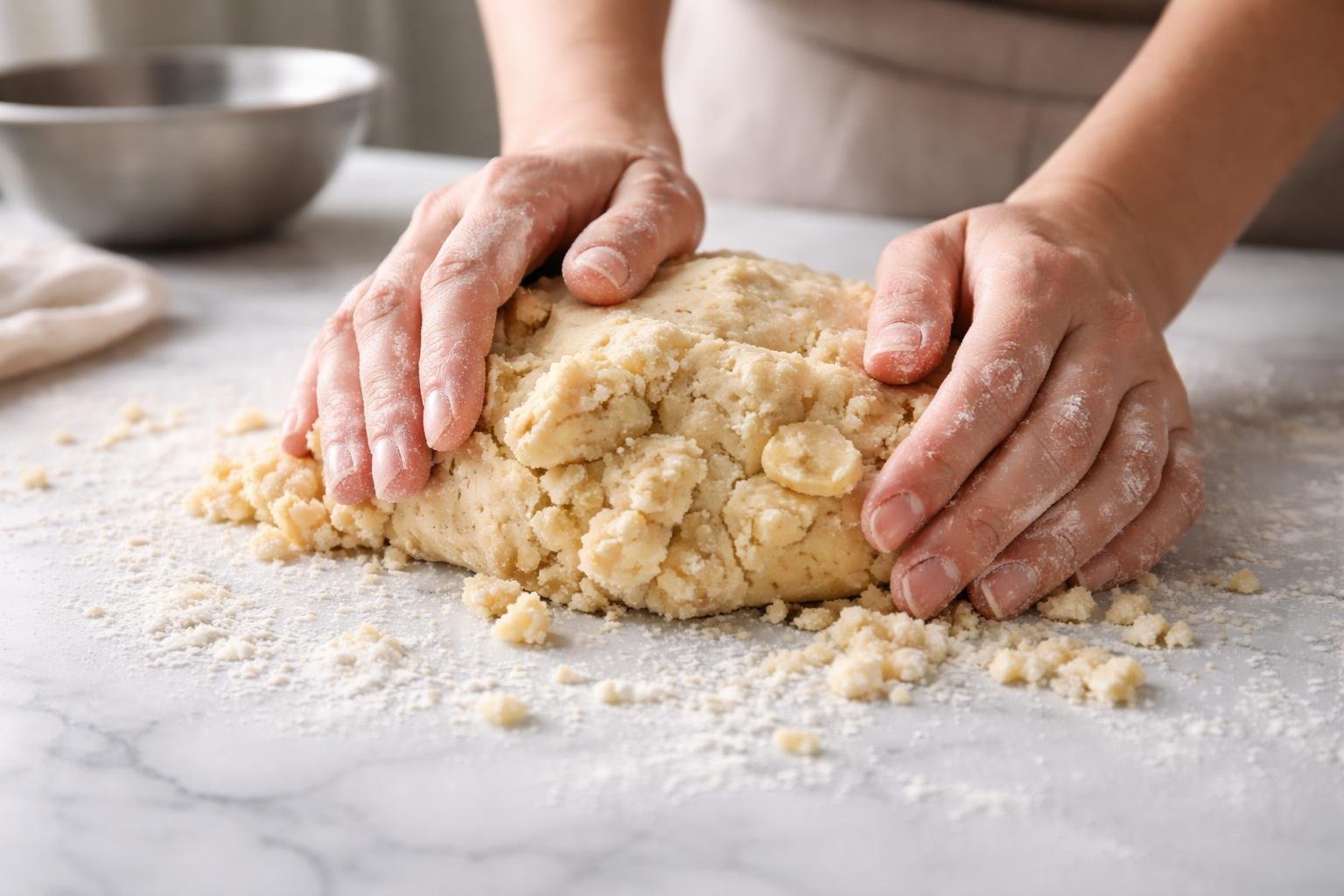
There is something deeply satisfying about making pastry from scratch—the quiet rhythm of rubbing butter into flour, the soft crumble forming under your fingertips, and that moment when it all comes together into a smooth dough.
The first time I followed the Delia Smith Shortcrust Pastry Recipe, I remember thinking how something so simple could feel so rewarding.
As a female chef who spends a lot of time in the kitchen, I’ve learned that pastry is less about perfection and more about feeling. You don’t rush it. You listen to it. And somehow, it responds.
The Delia Smith Shortcrust Pastry Recipe is one of those classic foundations every home cook should know. It’s buttery, tender, and versatile—perfect for sweet pies, savory tarts, quiches, and everything in between. Once you master it, you feel like you’ve unlocked a whole new level of home cooking.
In this post, I’ll walk you through the process in a relaxed, friendly way, just like I would if we were cooking together in my kitchen.
What is Delia Smith Shortcrust Pastry Recipe?
The Delia Smith Shortcrust Pastry Recipe is a traditional British pastry method known for its simplicity and reliability. It is made using just flour, cold butter, a pinch of salt, and a small amount of cold water.
What makes it special is its texture. When done right, shortcrust pastry is tender, slightly crumbly, and melts in your mouth without being heavy or greasy.
It is called “short” because the fat shortens the gluten strands in the flour, creating that delicate, crumbly texture we all love in pies and tarts.
This pastry is incredibly versatile. You can use it for fruit pies, meat pies, quiches, or even mini tartlets. It is one of those essential recipes that quietly becomes part of your everyday cooking life.
Why This Recipe Matters
Learning the Delia Smith Shortcrust Pastry Recipe is more than just following steps. It’s about understanding texture, temperature, and touch.
Once you learn it, you stop relying on store-bought pastry. You start trusting your hands, your instincts, and your timing.
And honestly, there is something beautiful about that kind of cooking confidence.
Equipment List
Before you begin, gather everything you need:
- Large mixing bowl
- Measuring cups or kitchen scale
- Butter knife or pastry cutter
- Clean work surface
- Rolling pin
- Cling film or wrap
- Baking dish or tart tin
Keeping things simple helps you stay focused on the process rather than the tools.
Recipe Card Info
- Prep Time: 15 minutes
- Chilling Time: 30 minutes
- Total Time: 45 minutes
- Yield: Enough for 1 large tart or pie base
- Cuisine: British
- Course: Side Dish
- Calories: ~210 kcal per serving (base only)
Ingredients
The beauty of this recipe is how few ingredients it uses:
- 225g plain flour
- 110g cold unsalted butter, cubed
- Pinch of salt
- 2–3 tablespoons cold water
Optional (for richer flavor):
- 1 teaspoon sugar (for sweet pastry)
- 1 egg yolk (for extra richness)
Each ingredient plays a quiet but important role in building texture and flavor.
Instructions (Step-by-Step)
Step 1: Prepare the flour base
Sift the flour into a large mixing bowl and add a pinch of salt. If you are making a sweet pastry, you can add a teaspoon of sugar at this stage.
Step 2: Rub in the butter
Add the cold cubed butter into the flour.
Using your fingertips, gently rub the butter into the flour until the mixture resembles fine breadcrumbs.
This step is key in the Delia Smith Shortcrust Pastry Recipe. The colder your butter, the better your texture will be.
Step 3: Add cold water
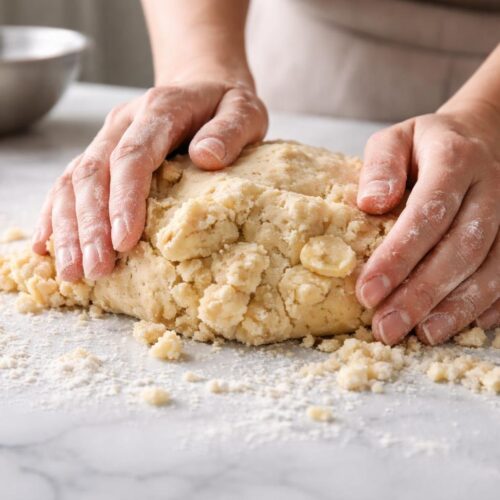
Slowly add cold water, one tablespoon at a time, mixing gently with a knife or your hands until the dough starts to come together.
Be careful not to overwork it. The dough should just hold together—not be sticky or wet.
Step 4: Form the dough
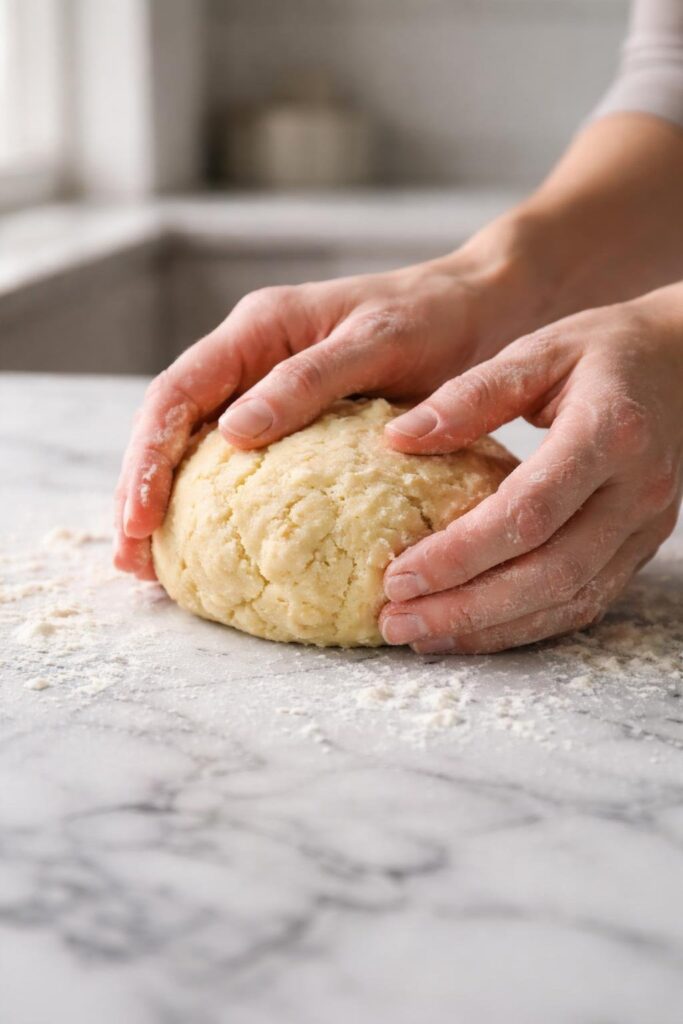
Bring the dough together into a ball using your hands.
Wrap it in cling film and refrigerate for at least 30 minutes. This resting time allows the gluten to relax and the butter to firm up again.
Step 5: Roll out the pastry
Lightly flour your surface and rolling pin.
Roll the chilled dough evenly until it is large enough to fit your tart tin or baking dish.
Gently lift and place it into your tin, pressing lightly into the corners.
Step 6: Chill again (important step)
Place the lined tart tin back into the fridge for 10–15 minutes before baking. This helps prevent shrinking in the oven.
Step 7: Bake or fill as needed
Depending on your recipe, you can either blind bake the pastry or fill it directly with your chosen ingredients.
Texture and Taste
When baked, this pastry becomes beautifully golden with a delicate crumbly texture. It is buttery but not heavy, crisp but not dry.
It provides the perfect base for both sweet and savory fillings without overpowering them.
My Personal Experience with This Pastry
The first time I made the Delia Smith Shortcrust Pastry Recipe, I honestly expected it to be tricky. But it surprised me. It felt almost calming.
There is something very grounding about working with your hands, feeling the dough change texture, and knowing you are creating something from scratch.
Now, I use it as my go-to base for everything from quiches to fruit tarts. It never fails me.
Why This Recipe Works So Well
The Delia Smith Shortcrust Pastry Recipe works because it respects temperature and simplicity.
Cold butter creates flakiness. Minimal water prevents toughness. Resting the dough ensures tenderness.
It is all about small details that make a big difference.
My Personal Tips for Perfect Shortcrust Pastry
- Always use cold butter straight from the fridge
- Don’t overwork the dough
- Add water slowly, not all at once
- Chill the dough before rolling
- Handle it as little as possible
These small habits make your pastry soft, flaky, and reliable every time.
Variations You Can Try
Once you master the basic Delia Smith Shortcrust Pastry Recipe, you can experiment:
- Add herbs like thyme or rosemary for savory tarts
- Use icing sugar for sweeter pastry
- Add lemon zest for fragrance
- Replace some flour with ground almonds for richness
Each variation adds personality while keeping the structure intact.
What You Can Make With This Pastry
This pastry is incredibly versatile:
- Apple pie
- Chicken and mushroom pie
- Quiche Lorraine
- Fruit tarts
- Mini tartlets
Once you learn it, you’ll find yourself using it constantly.
Storage and Freezing Tips
- Wrap dough tightly and refrigerate up to 2 days
- Freeze for up to 3 months
- Thaw overnight in the fridge before using
This makes it perfect for planning ahead.
Common Mistakes to Avoid
- Using warm butter (leads to greasy dough)
- Adding too much water (makes it tough)
- Overmixing (develops gluten)
- Skipping chilling time
Avoiding these keeps your pastry light and tender.
FAQs
Can I use margarine instead of butter?
Yes, but butter gives better flavor and texture.
Why is my pastry tough?
Usually from overworking the dough or adding too much water.
Do I need to blind bake it?
Only for wet fillings.
Can I make it gluten-free?
Yes, with gluten-free flour blends.
Final Thoughts
The Delia Smith Shortcrust Pastry Recipe is one of those timeless kitchen skills that every home cook should learn.
It is simple, honest, and deeply satisfying. Once you master it, you open the door to so many beautiful dishes.
And honestly, there is something special about saying—you made the pastry yourself.
It’s not just food. It’s confidence, patience, and a little bit of love rolled into dough.
Delia Smith Shortcrust Pastry Recipe

Equipment
- Large mixing bowl
- Measuring cups or kitchen scale
- Butter knife or pastry cutter
- Clean work surface
- Rolling Pin
- Cling film or wrap
- Baking dish or tart tin
Ingredients
- 225 g plain flour
- 110 g cold unsalted butter cubed
- Pinch of salt
- 2 –3 tablespoons cold water
Optional (for richer flavor):
- 1 teaspoon sugar for sweet pastry
- 1 egg yolk for extra richness
Instructions
Step 1: Prepare the flour base
- Sift the flour into a large mixing bowl and add a pinch of salt. If you are making a sweet pastry, you can add a teaspoon of sugar at this stage.
Step 2: Rub in the butter
- Add the cold cubed butter into the flour.
- Using your fingertips, gently rub the butter into the flour until the mixture resembles fine breadcrumbs.
- This step is key in the Delia Smith Shortcrust Pastry Recipe. The colder your butter, the better your texture will be.
Step 3: Add cold water
- Slowly add cold water, one tablespoon at a time, mixing gently with a knife or your hands until the dough starts to come together.
- Be careful not to overwork it. The dough should just hold together—not be sticky or wet.
Step 4: Form the dough
- Bring the dough together into a ball using your hands.
- Wrap it in cling film and refrigerate for at least 30 minutes. This resting time allows the gluten to relax and the butter to firm up again.
Step 5: Roll out the pastry
- Lightly flour your surface and rolling pin.
- Roll the chilled dough evenly until it is large enough to fit your tart tin or baking dish.
- Gently lift and place it into your tin, pressing lightly into the corners.
Step 6: Chill again (important step)
- Place the lined tart tin back into the fridge for 10–15 minutes before baking. This helps prevent shrinking in the oven.
Step 7: Bake or fill as needed
- Depending on your recipe, you can either blind bake the pastry or fill it directly with your chosen ingredients.
Notes
- Always use cold butter straight from the fridge
- Don’t overwork the dough
- Add water slowly, not all at once
- Chill the dough before rolling
- Handle it as little as possible
Hi, I’m Olivia Brooks! Cooking is my passion, and I love turning everyday ingredients into meals that bring joy to the table. On CulinaryPearl, I share simple recipes, helpful kitchen tips, and inspiration for food lovers everywhere