

Intro
Grandma’s Sycamore Bread Recipe always takes me straight back to my childhood kitchen, the one with the slightly crooked table leg and the smell of yeast floating through the house before sunrise. I can still picture my grandma standing by the window, flour on her apron, humming softly while the dough rested under a tea towel. That bread wasn’t fancy or dramatic, but it had soul. It was baked with patience, memory, and a quiet kind of love that only grandmothers seem to master.
As a female chef who has cooked in professional kitchens and cozy home spaces alike, I can tell you this bread means something deeper than just food. It’s comfort. It’s storytelling. It’s a recipe passed down without measurements at first, learned by touch and instinct. Over the years, I’ve tested, refined, and lovingly written it down so it could live on beyond memory.
This is the kind of bread you bake on a slow afternoon when you want your home to feel warmer. It has a gently crisp crust, a soft interior with a slight chew, and a subtle nutty sweetness that pairs beautifully with butter, honey, soup, or just quiet moments. Let me walk you through it the same way Grandma once walked me through it—slowly, kindly, and with room for mistakes.
What Is Grandma’s Sycamore Bread?
Grandma’s Sycamore Bread is a rustic, old-fashioned homemade loaf inspired by rural baking traditions. The name comes from the massive sycamore tree that stood outside my grandma’s kitchen window. She’d say the bread rose better when the sun hit that tree just right, and honestly, I still believe her.
This bread sits somewhere between a farmhouse loaf and a soft country bread. It’s lightly sweet, deeply aromatic, and incredibly forgiving. Unlike modern artisan breads that demand exact temperatures and special flours, this loaf welcomes beginner hands and busy schedules.
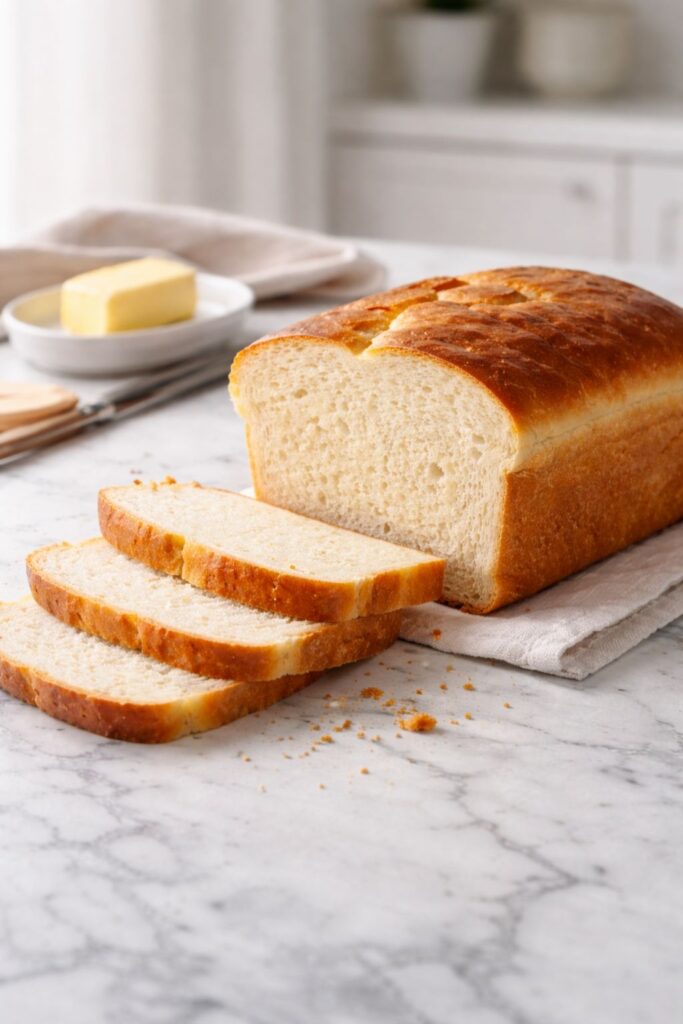
Flavor-wise, it’s warm and comforting. You’ll taste mild yeast, soft wheat, and just a hint of richness from milk and butter. The crust bakes golden and slightly crackly, while the inside stays fluffy and tender. It’s the kind of bread that disappears slice by slice before you realize the loaf is gone.
Equipment List
You don’t need anything fancy for this recipe. Grandma certainly didn’t, and neither do you.
- Large mixing bowl
- Measuring cups and spoons
- Wooden spoon or spatula
- Clean kitchen towel
- Loaf pan (9×5 inch works perfectly)
- Small saucepan
- Cooling rack
- Oven
That’s it. Simple tools, honest bread.
Ingredients
Here’s the written-down version of what Grandma once measured with her hands and heart.
- 3 ½ cups all-purpose flour
- 2 ¼ teaspoons active dry yeast (1 packet)
- 1 cup whole milk
- ¼ cup warm water
- 3 tablespoons unsalted butter
- 2 tablespoons sugar
- 1 ½ teaspoons salt
Optional but lovely additions:
- 1 tablespoon honey (for extra warmth)
- 1 tablespoon olive oil (for softer crumb)
Instructions
- Warm the milk in a small saucepan until it’s just warm to the touch, not hot. Remove from heat and stir in butter until melted. Let it cool slightly.
- In a large bowl, combine warm water, sugar, and yeast. Let it sit for 5–10 minutes until foamy. This step always feels magical to me—watching yeast come alive.
- Add the milk mixture to the yeast, followed by salt. Stir gently.
- Gradually add flour, one cup at a time, mixing until a soft dough forms.
- Turn the dough onto a lightly floured surface and knead for about 8–10 minutes, until smooth and elastic.
- Place dough in a lightly greased bowl, cover with a towel, and let rise in a warm spot for about 1 hour, or until doubled in size.
- Punch down gently, shape into a loaf, and place into a greased loaf pan.
- Cover again and let rise for 30–40 minutes.
- Bake at 350°F (175°C) for 30–35 minutes, until golden and hollow-sounding when tapped.
- Cool on a rack before slicing, if you can wait that long.
The Story Behind the Recipe
Grandma never owned a recipe book. Everything she cooked came from memory, repetition, and instinct. This bread was made at least twice a week, usually early in the morning. She believed bread carried the mood of the baker, so she always baked it when she felt calm.
When I was little, she let me knead the dough even when I made a mess. She said, “Bread forgives heavy hands.” That lesson stayed with me—not just in baking, but in life.
Flavor Profile and Texture
This bread has a balanced flavor that feels familiar from the first bite. It’s slightly sweet but not sugary, rich without being heavy. The milk and butter give it a tender crumb, while the yeast adds gentle depth.
The crust is thin but crisp, especially on the corners. Inside, it’s soft, airy, and perfect for soaking up soup or gravy. Toasted, it develops a deeper nutty flavor that’s hard to resist.
Why This Bread Still Matters Today
In a world of fast recipes and instant results, Grandma’s Sycamore Bread reminds us to slow down. Bread takes time. It rises when it’s ready, not when we rush it.
As a chef, I’ve baked complicated sourdoughs and technical loaves, but I always come back to this one. It doesn’t ask for perfection. It asks for presence.
Tips From My Kitchen
- If your kitchen is cold, let the dough rise in the oven with the light on.
- Don’t overflour the dough. Slightly sticky is better than dry.
- Brush the top with melted butter right after baking for a soft crust.
These are little things Grandma never wrote down but always practiced.
Serving Ideas
This bread shines in simple moments.
- Warm slices with butter and jam
- Alongside chicken soup or lentil stew
- Toasted with avocado and a sprinkle of salt
- Thick slices for French toast the next morning
It adapts to whatever your table needs.
Storing and Freezing
Store the loaf wrapped in a clean towel or bread bag at room temperature for up to 3 days. For longer storage, slice and freeze. Toast straight from frozen for best results.
Variations You Can Try
Once you’ve mastered the base, feel free to experiment.
- Add a handful of oats for texture
- Mix in chopped herbs for a savory twist
- Swap half the flour for whole wheat
- Add raisins and cinnamon for a sweet loaf
Grandma encouraged curiosity. She believed recipes should grow with you.
Baking With Heart
Every time I bake this loaf, I feel grounded. Grandma’s Sycamore Bread Recipe isn’t just about bread—it’s about continuity. It’s about keeping stories alive through flour-dusted hands and warm ovens.
If you’re new to bread baking, this is the loaf I want you to start with. And if you’re experienced, I hope it reminds you why you fell in love with baking in the first place.
Bake it slowly. Share it generously. And maybe, just maybe, hum a little while the dough rises.

Grandma’s Sycamore Bread Recipe

Equipment
- Large mixing bowl
- Measuring cups and spoons.
- Wooden spoon or spatula
- Clean kitchen towel
- Loaf pan (9×5 inch works perfectly)
- Small saucepan
- Cooling rack
- Oven
Ingredients
- 3 ½ cups all-purpose flour
- 2 ¼ teaspoons active dry yeast 1 packet
- 1 cup whole milk
- ¼ cup warm water
- 3 tablespoons unsalted butter
- 2 tablespoons sugar
- 1 ½ teaspoons salt
Optional but lovely additions:
- 1 tablespoon honey for extra warmth
- 1 tablespoon olive oil for softer crumb
Instructions
- Warm the milk in a small saucepan until it’s just warm to the touch, not hot. Remove from heat and stir in butter until melted. Let it cool slightly.
- In a large bowl, combine warm water, sugar, and yeast. Let it sit for 5–10 minutes until foamy. This step always feels magical to me—watching yeast come alive.
- Add the milk mixture to the yeast, followed by salt. Stir gently.
- Gradually add flour, one cup at a time, mixing until a soft dough forms.
- Turn the dough onto a lightly floured surface and knead for about 8–10 minutes, until smooth and elastic.
- Place dough in a lightly greased bowl, cover with a towel, and let rise in a warm spot for about 1 hour, or until doubled in size.
- Punch down gently, shape into a loaf, and place into a greased loaf pan.
- Cover again and let rise for 30–40 minutes.
- Bake at 350°F (175°C) for 30–35 minutes, until golden and hollow-sounding when tapped.
- Cool on a rack before slicing, if you can wait that long.
Hi, I’m Olivia Brooks! Cooking is my passion, and I love turning everyday ingredients into meals that bring joy to the table. On CulinaryPearl, I share simple recipes, helpful kitchen tips, and inspiration for food lovers everywhere